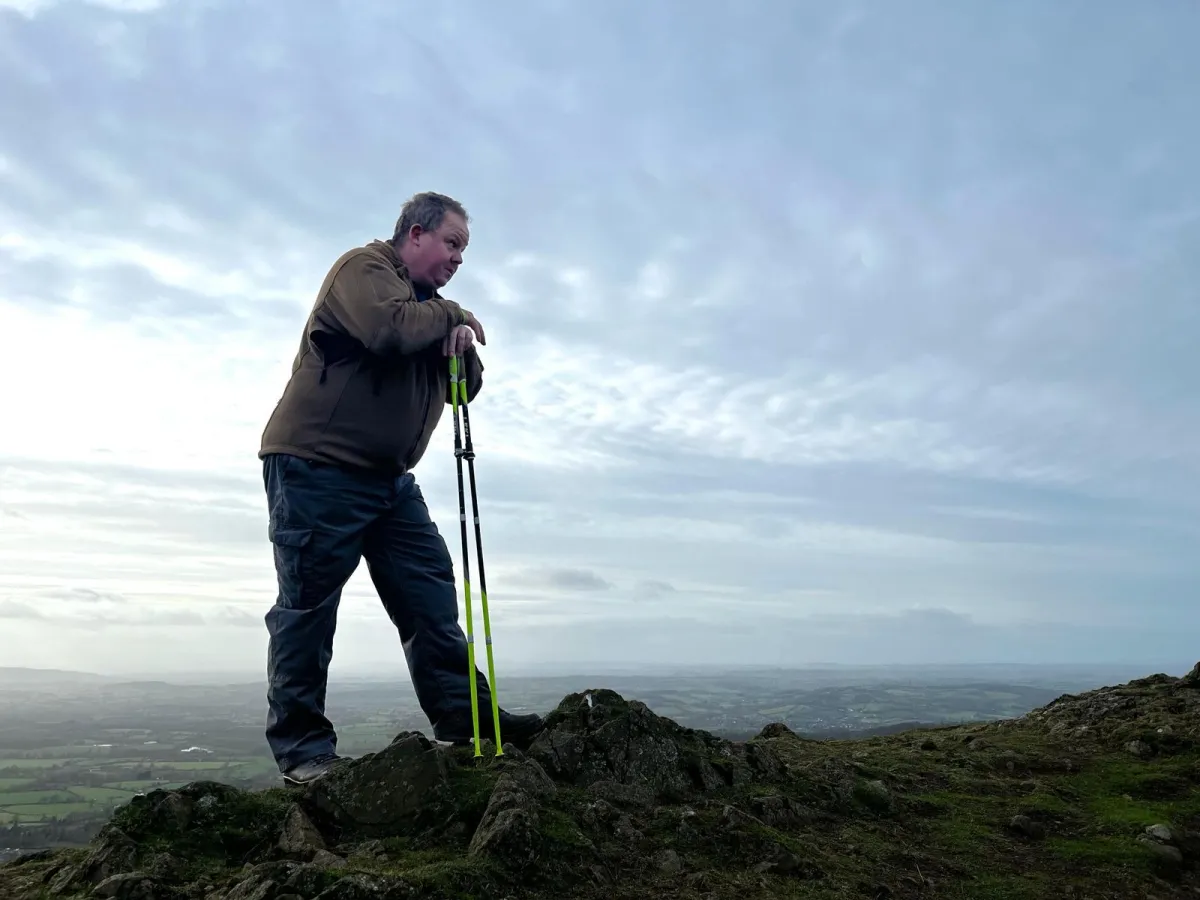
Why Some People Survive the Impossible — And Others Don’t
“You don’t have to feel calm to choose calm..” - Simon Clark
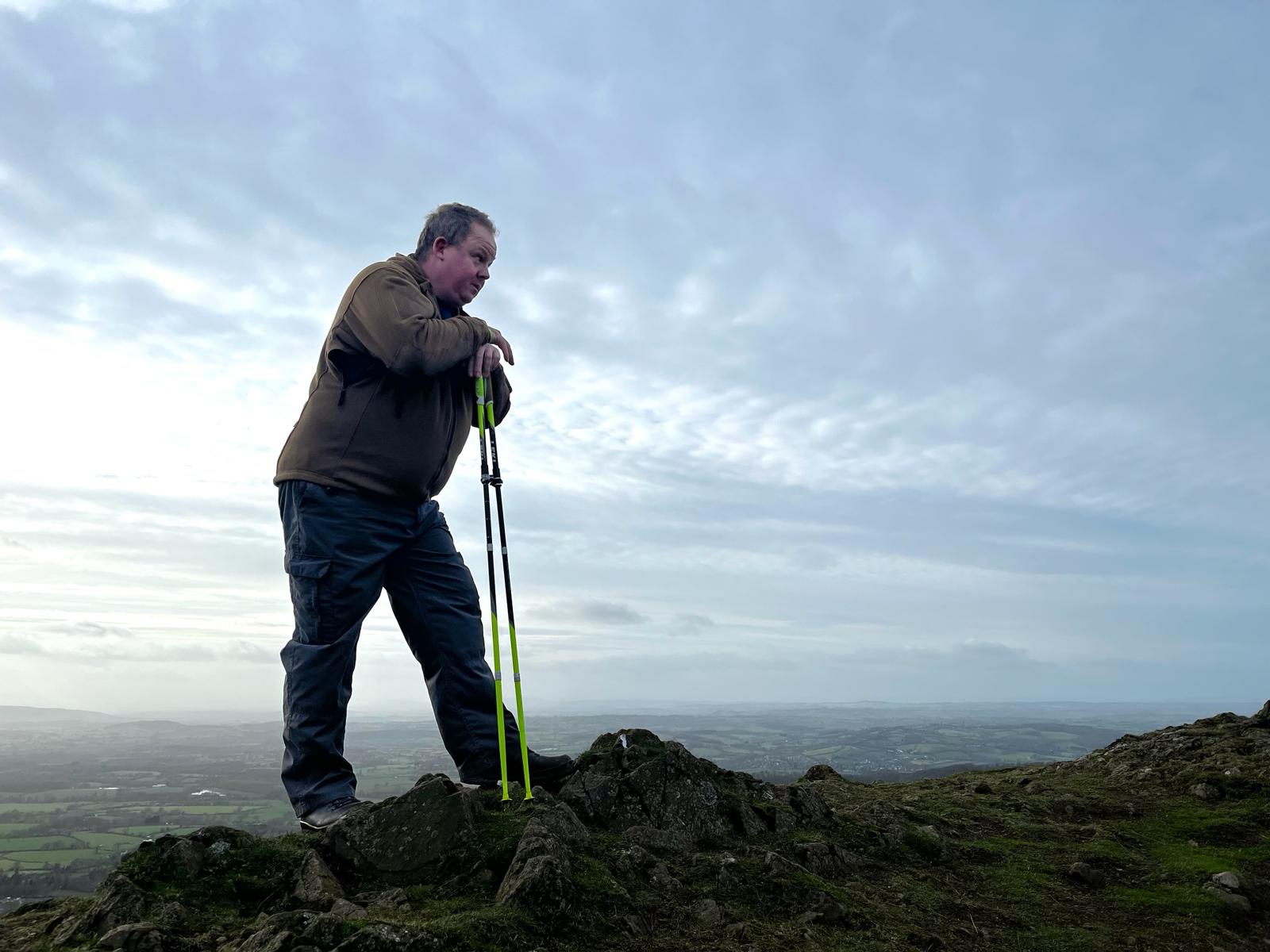
There are moments in life when the world strips itself bare.
Moments that test the survivor mindset in ways no book, mentor, or motivational quote ever could.
Moments that answer a question most people never ask:
Why do some people survive trauma, and others don’t?
I’ve stood in enough of those moments — in hospital rooms, on mountainsides, under falling buildings — to learn something that most people only encounter in theory:
Survival is not luck.
It is a pattern.
A mindset.
A series of micro-decisions made when you are terrified, alone, and outmatched.
And understanding that pattern is the foundation of how to build resilience. Real resilience, not the soft-edged version the world likes to sell.
Here’s what separates those who endure from those who don’t.
1. Survivors Know How to Stay Calm While Terrified
People think extreme resilience looks heroic.
But real survival — the kind measured in heartbeats — is quiet.
When the earthquake tore through Marrakech, buildings folded and the streets filled with dust so thick it erased the horizon. People ran, screamed, fell, disappeared.
Chaos was the air itself.
But inside me, something went still.
Not brave.
Not fearless.
Just still.
Because panic is gravity.
It pulls you under faster than any disaster ever could.
One of the greatest mental toughness lessons is this:
You don’t have to feel calm to choose calm.
Survivors act while afraid.
They breathe through terror.
They find the next actionable step instead of drowning in the whole situation.
That choice — that single breath — is often the difference between life and death.
2. Survivors Accept Reality — Without Surrendering to It
A lot of people break because they spend precious seconds arguing with reality.
“This can’t be happening.”
“I don’t want this.”
“There must be another way.”
But denial is a luxury the wilderness, the hospital, and the earthquake do not allow.
In Iceland, when the storm swallowed the trail and turned the world into a white void, I stood alone in a wind that wanted to erase me. No path. No visibility. No rescue coming.
If I had clung to the idea that things “shouldn’t” be this bad, I would have died.
Acceptance is not giving up.
It is recognising the truth so you can act in it.
People who survive trauma do something subtle and powerful:
They stop wishing for a different situation and start engaging with the one in front of them.
That shift is where survival begins.
3. Survivors Know the Difference Between Hope and Strategy
Hope is beautiful.
But hope alone won’t pull you out of a collapsing building or down a mountain.
Strategy will.
In Everest’s thin air, as I sprinted barefoot through the freezing night carrying a stretcher with a dying woman on it, my heart tore itself into chaos. I collapsed in the street, dizzy, directionless, and fading.
Hope didn’t save me.
Paying attention did.
Slowing my breath did.
Using what little clarity I had left did.
People who practice how to build resilience don’t lean only on belief.
They lean on small, precise actions that compound into survival.
Hope says, “I believe I’ll make it.”
Strategy says, “Here’s how.”
The strongest survivors use both, but they never confuse them.
4. Survivors Win Through Micro-Decisions
People imagine resilience as a grand decision:
“I will live.”
But in every crisis I’ve lived through, that moment never came.
What came instead were thousands of tiny choices:
Step or freeze.
Breathe or spiral.
Look up or look down.
Move or stop.
When I wandered half-conscious through Namche after nearly collapsing from a heart attack, I didn’t think about Base Camp. I didn’t think about courage. I didn’t think about the meaning of life.
I thought only about the next decision:
Left foot. Right foot. Stay awake.
This is one of the core mental toughness lessons of survival:
Micro-decisions compound.
Tiny wins stack.
Small movements create escape routes.
People break when they zoom out too far.
Survivors zoom in until the impossible becomes manageable.
5. Survivors Recognize When the Mind Is Lying
Fear can mimic truth with terrifying accuracy.
Under stress, exhaustion, grief, or trauma, the mind becomes a trickster — whispering things that feel factual but are nothing more than panic wearing a convincing mask.
“You can’t do this.”
“You’re alone.”
“You’re done.”
“Stop. Rest. Give up.”
The voice is seductive because it offers relief.
But relief and survival are not the same thing.
In Iceland, in the white-out, that voice nearly killed me.
Every part of my mind begged me:
Sit down. Just for a moment. Rest. Stop.
But one part of me — the disciplined part forged long before the accident — recognised the lie:
Stopping would not be rest.
Stopping would be death.
Understanding why some people survive trauma begins here:
They know how to question their fear.
They can tell when their mind is protecting them…
and when it is sabotaging them.
That awareness is a survival tool as real as a rope or an ice axe.
6. Survivors Live by the White-Out Rule: “Never Stop While You Can Still Stand.”
This is the rule that saved my life on the Laugavegur trail.
The storm obliterated the world around me. The cold sank into my bones. I shook so violently I could barely grip my pack. Every instinct urged me to sit down.
But sitting down meant dying.
So I made a choice so small it barely felt like a choice at all:
As long as I can stand, I will move.
As long as I can move, I will live.
This rule applies far beyond mountains:
When grief freezes you… move.
When anxiety suffocates you… move.
When life collapses around you… move.
When you don’t believe in yourself… especially move.
Motion creates possibility.
Survival is motion.
And nothing builds extreme resilience faster than refusing to stop in the moments when stopping feels easiest.

7. The Real Difference Between Those Who Survive and Those Who Break
After everything I’ve lived through, everything I’ve seen, everything I’ve lost, I’ve learned one truth that ties every survival story together:
Survival isn’t about strength.
It’s about willingness.
The willingness to stay calm in terror.
The willingness to accept reality without surrender.
The willingness to strategize instead of fantasize.
The willingness to stack micro-decisions when overwhelmed.
The willingness to question your own fear.
The willingness to move — even one inch — when the world demands you stop.
You don’t need to be extraordinary to survive the impossible.
You only need to remain human in the moments when fear is trying to unmake you.
That is the heart of the survivor mindset.
That is the blueprint of how to build resilience.
That is why some people survive trauma — and others don’t.
And if you take nothing else from my stories, take this:
If you can stand, you can move.
If you can move, you can survive.
The Survivor Mindset Check-In
A 7-Question Audit to See How You Respond When Life Breaks Open
These seven checks map directly to the survival traits in the blog.
Invite readers to screenshot, save, or journal their answers.
1. When you’re scared, do you freeze — or can you still take one small action?
☐ I freeze
☐ I panic-scroll
☐ I breathe + choose the next step
2. When reality gets harsh, do you fight it — or face it?
☐ I argue with reality
☐ I numb out
☐ I accept what’s in front of me so I can act
3. When things go wrong, do you rely on hope — or strategy?
☐ Hope only
☐ Hope + overwhelm
☐ Hope paired with a next step
4. When overwhelmed, can you zoom in to the next micro-decision?
☐ No — I zoom out and drown
☐ Sometimes
☐ Yes — I shrink the world to what I can control
5. When fear speaks, do you believe it automatically?
☐ Yes, it feels like truth
☐ I sometimes question it
☐ I can tell when fear is lying
6. When things get hard, do you stop — or move?
☐ I stop instantly
☐ I hesitate
☐ I follow the “White-Out Rule”: Never stop while I can stand
7. When life demands willingness, where am I strongest?
Write your answer:
Pick one box you want to move upward in over the next 7 days.
Just one. Then come back and re-audit.
